
I just wanted to put my paintings online
Back when “surfing the web” still felt like a slightly ridiculous phrase, I wanted a place to show some paintings. That was the whole plan. No grand ambitions about software or products. Just a web page that existed so people could see my paintings.
The problem was that putting something on the web meant writing the page yourself. There was no friendly drag-and-drop tool sitting there waiting for me. You opened a text editor, typed <html>, and hoped you’d remembered to close the tags. Images had to be optimised, uploaded via FTP, and linked by hand. If something looked wrong you viewed source on someone else’s page and tried to reverse-engineer it. It was slow and slightly awkward, but it worked, and the paintings were online.
Then Macromedia Dreamweaver arrived. Suddenly you could design more of the page visually while still seeing the code underneath. It felt like a genuine upgrade, less time wrestling with markup, more time thinking about how the page should look and feel. Plenty of people used it for years. Plenty of us still have muscle memory for the keyboard shortcuts.




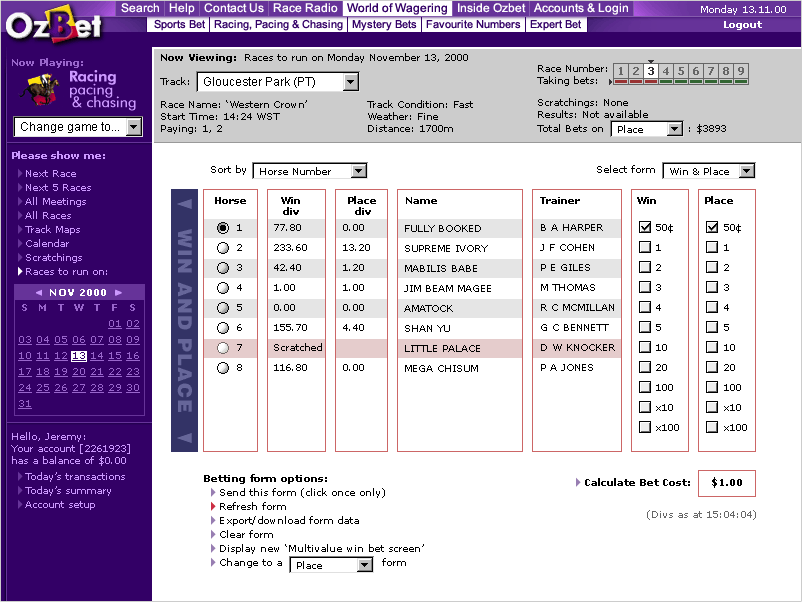
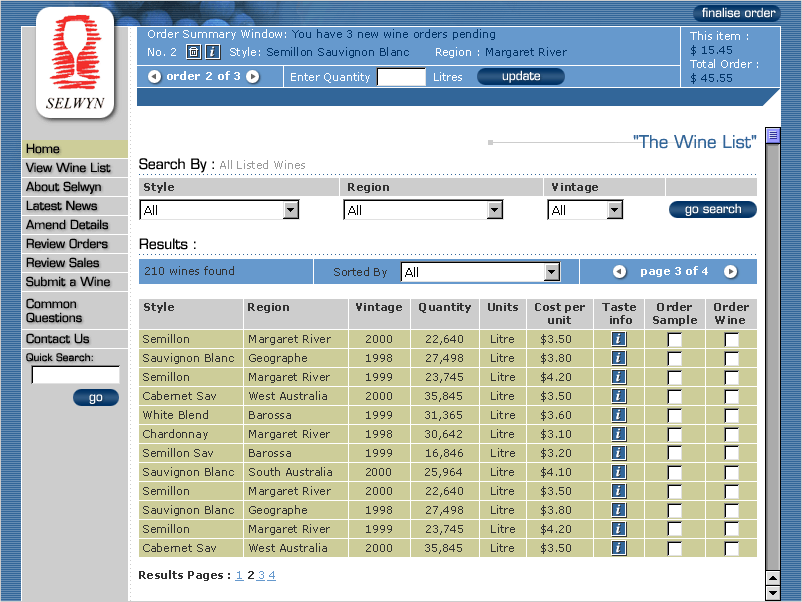
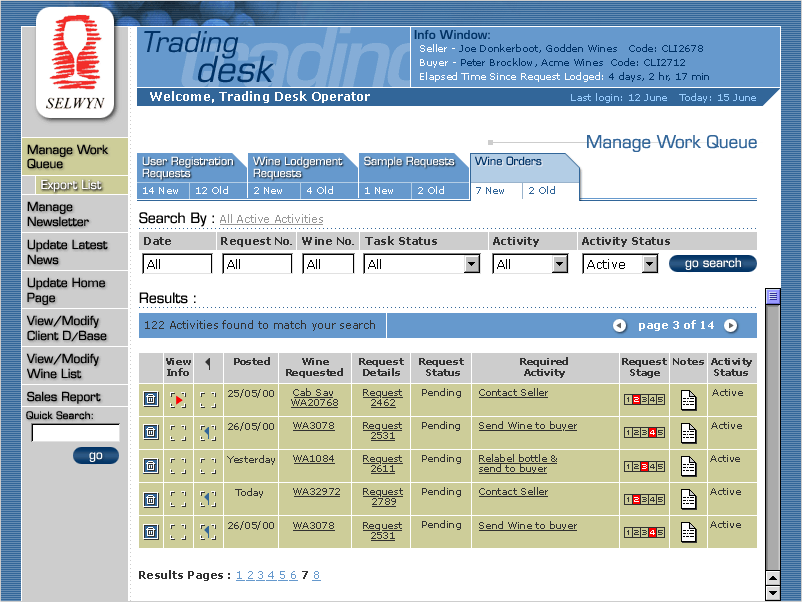
The web didn’t stay still. Phones became the main way people looked at things, so layouts had to stop being fixed-width. Then the work itself got more complicated. Building something interactive meant frameworks: React, Angular, and the rest of the component world. Instead of one long HTML file you had pieces that could be reused, state that needed managing, and build tools that turned all of it into something a browser could run. The gap between “designing a page” and “building the product” got wider, and a lot of the work moved into code that most visual tools at the time couldn’t really touch.
Now we’re in the phase where you can describe what you want and get a working site or app back. The AI tools have names like Claude, Codex, Base44, Cursor, and whatever comes next, and they sit on top of the same cloud infrastructure that made the previous generation possible. You still need to know what good looks like. You still need to notice when something is almost right but not quite. The difference is that the first version appears much faster, and the iteration happens in conversation rather than in a text editor at 1 a.m.
I’ve been designing websites and building software long enough to have used all of these. Hand-coded pages, visual editors, component frameworks, and now the AI ones. Each shift made some things easier and introduced new kinds of problems. The paintings are long gone from that first site, but the habit of wanting to put something out there and then figuring out how stayed.