
Pen, paper, and the Yellow Pages that could have been Google
Around 2008 I was working at Sensis. If you grew up in Australia you knew them as the people behind the Yellow Pages and White Pages. At the time it still felt like one of the bigger technology companies in the country. The printed directories were enormous, the data was deep, and the company had its own mapping and directions service called Whereis. In some ways that local search and mapping layer was a precursor to what Google Maps later became here.
I was doing a lot of the early design work with a pen and paper. Wireframes got sketched on A3 sheets, passed around, marked up with notes, and then turned into something more formal. It was slow by today’s standards, but you could see the thinking. You could point at a box and ask “what happens if someone comes in from here?” and the conversation stayed attached to the page in front of you.
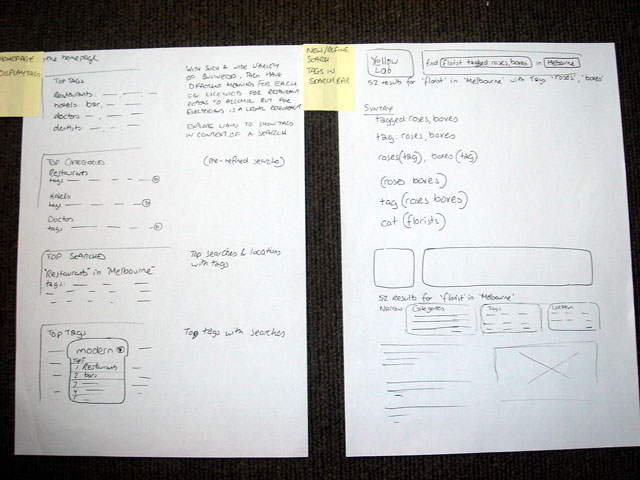
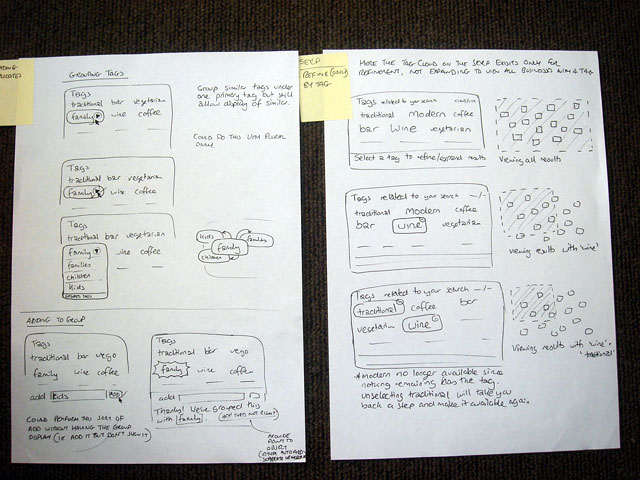
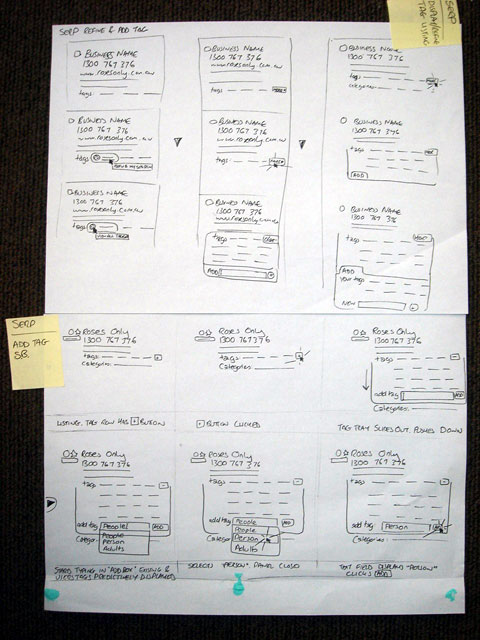
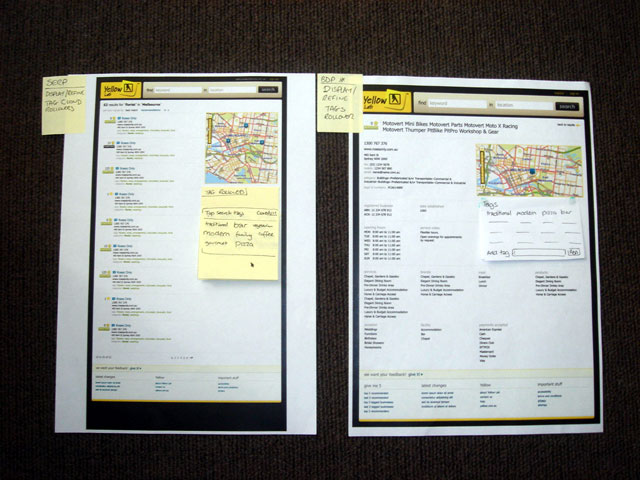
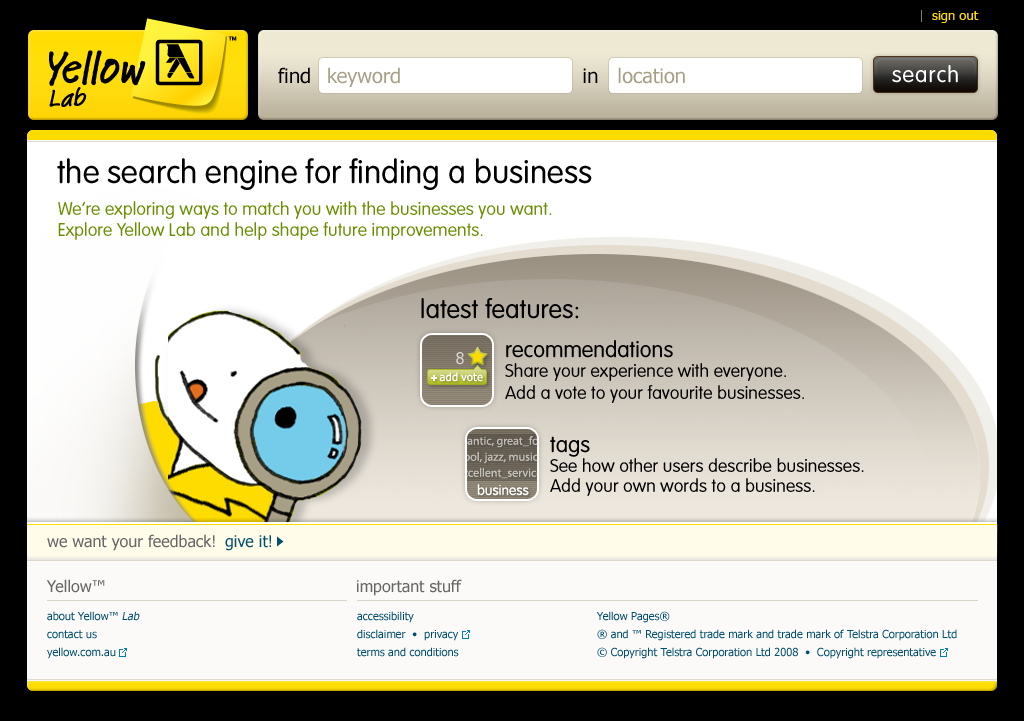
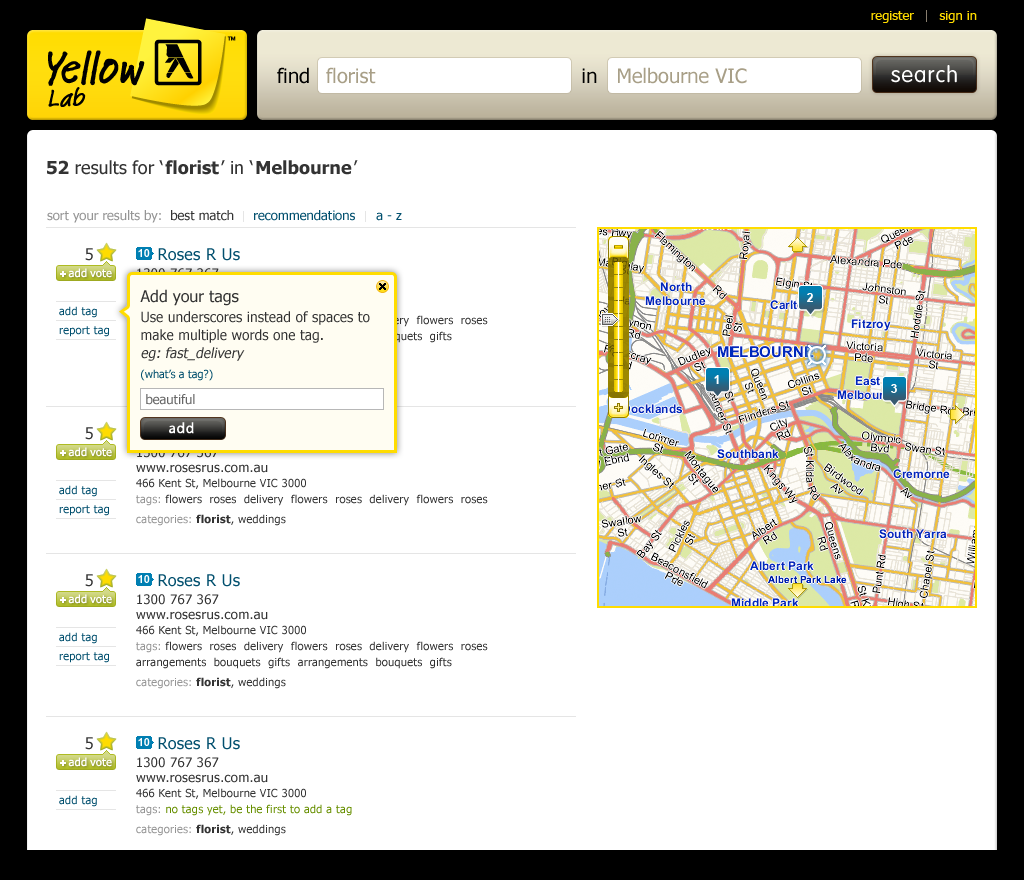
Sensis had a genuine shot at owning local discovery in Australia. The Yellow Pages listings were richer than most of what Google had at the time for local businesses. There was a moment when leadership was still saying, more or less, that Google was not a serious threat. The decision that mattered was keeping the directory content closed off from search engines for years. By the time they opened it up and partnered with Google (listings on Maps, Google powering the Sensis search), a lot of the habit had already shifted. People had learned to start with Google.
Looking back, the missed opportunity feels clearer than it did then. The data, the local knowledge, and the distribution were all there. What was harder to see was how quickly “just go to Google” would become the default. The craft of sitting with paper and working through the flows has also thinned out. These days a lot of the first version of a screen arrives from a prompt. You still need the judgement to know what is missing, but the blank page is less blank than it used to be.
I kept some of those old sketches. They look quaint now, but they also show how much of the product thinking used to happen before anyone opened a tool.