
When the prototype started talking back
For a while the normal way to work out a flow was still pen and paper. You would sketch a few screens, walk someone through them, and then go back and redraw the parts that did not make sense. It was limited. You could not really show what happened when someone clicked, so a lot of the detail stayed in the conversation.
Around the time I was at Manheim, tools like Axure started to change that. You could build a wireframe that people could actually click through. The same flow that used to take a set of static pages and a spoken explanation could be handed to someone and they could try it themselves. The iteration got faster. You could change a link, adjust a label, and show the new version in the same meeting. Stakeholders stopped asking as many “what happens if…” questions because they could just click and see.
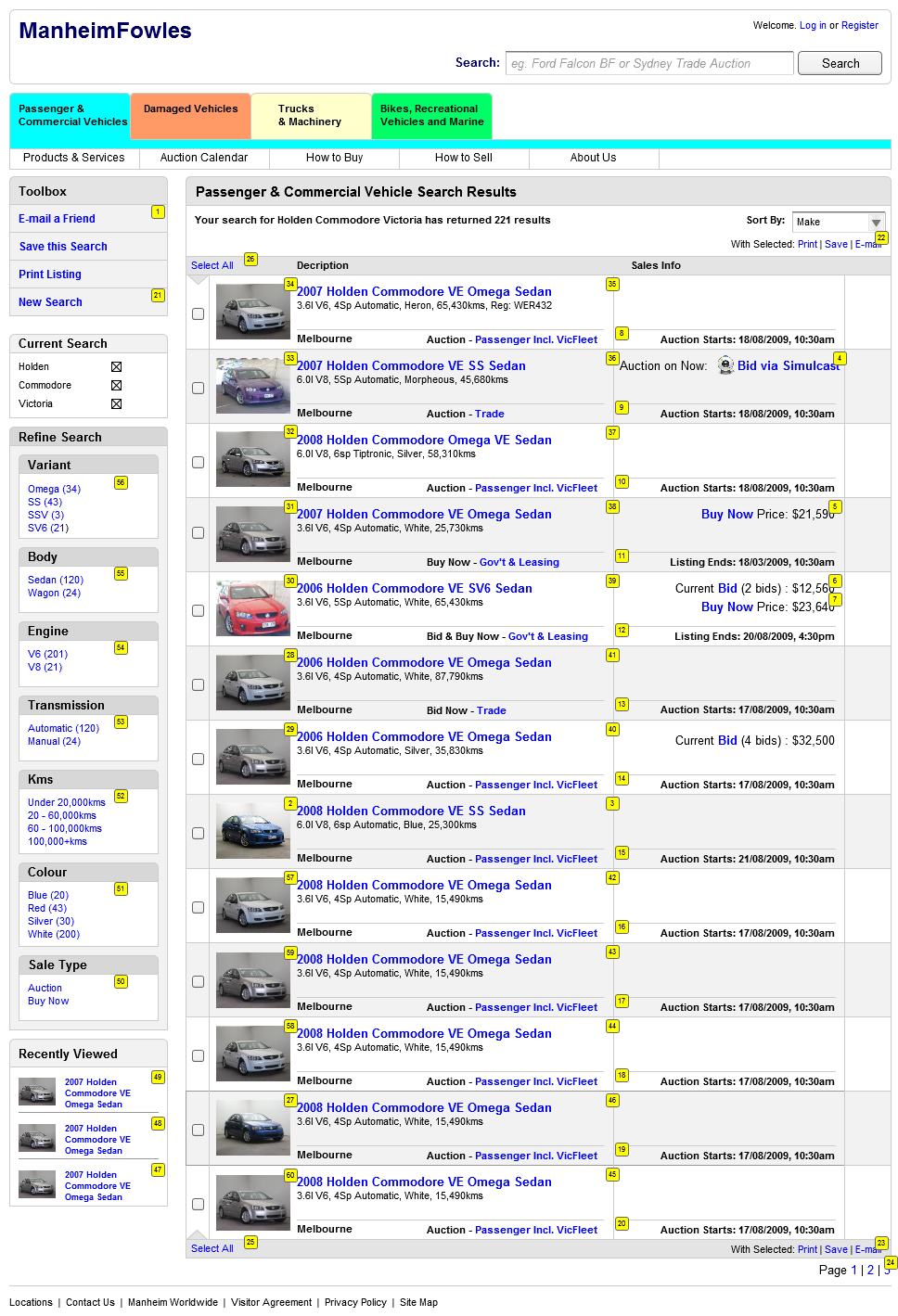
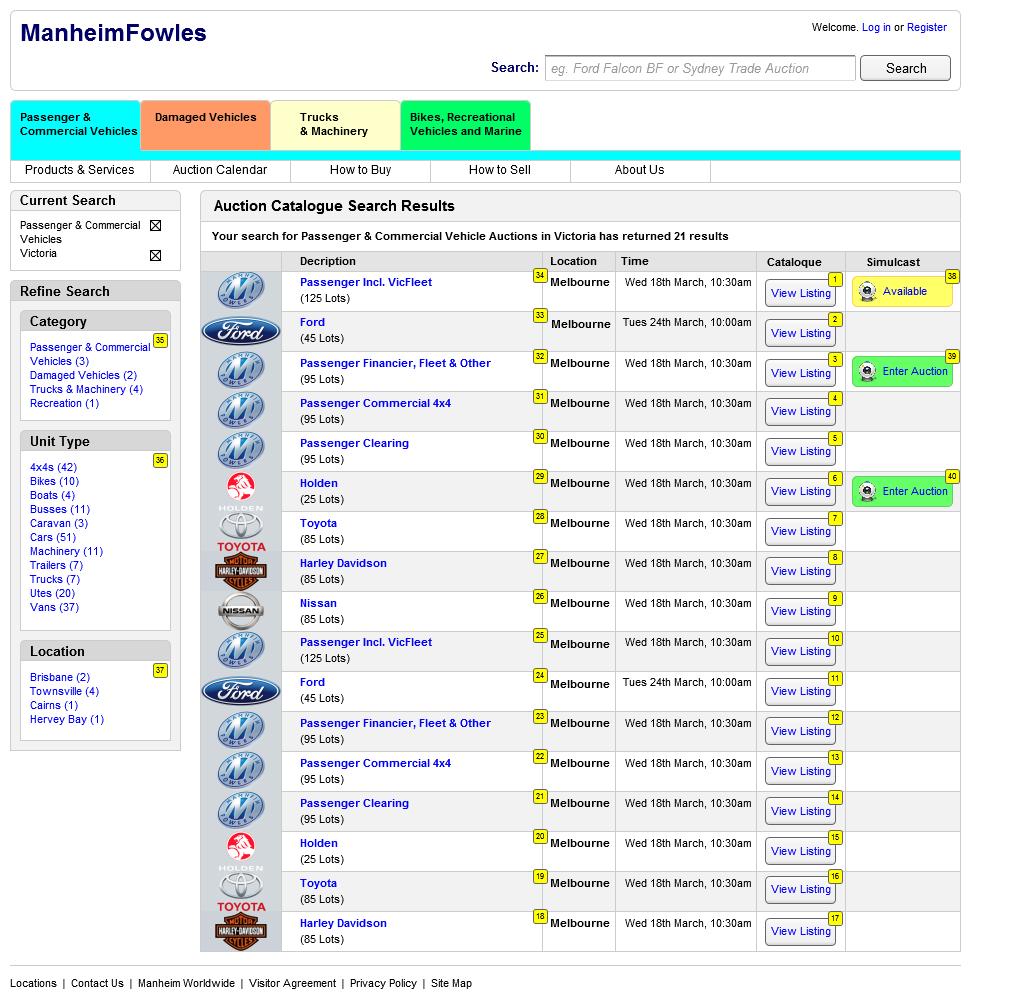
That was useful in more than one way. It made the work faster, and it also made UX easier to take seriously inside larger organisations. When you could put an interactive prototype in front of people who were used to seeing finished systems or static documents, the conversation changed. Design stopped being something that happened after the requirements were written and started to look more like a way of testing ideas before the build. At Manheim, and in other places at the time, that shift helped turn UX from a nice-to-have into something that could sit closer to the actual decisions.
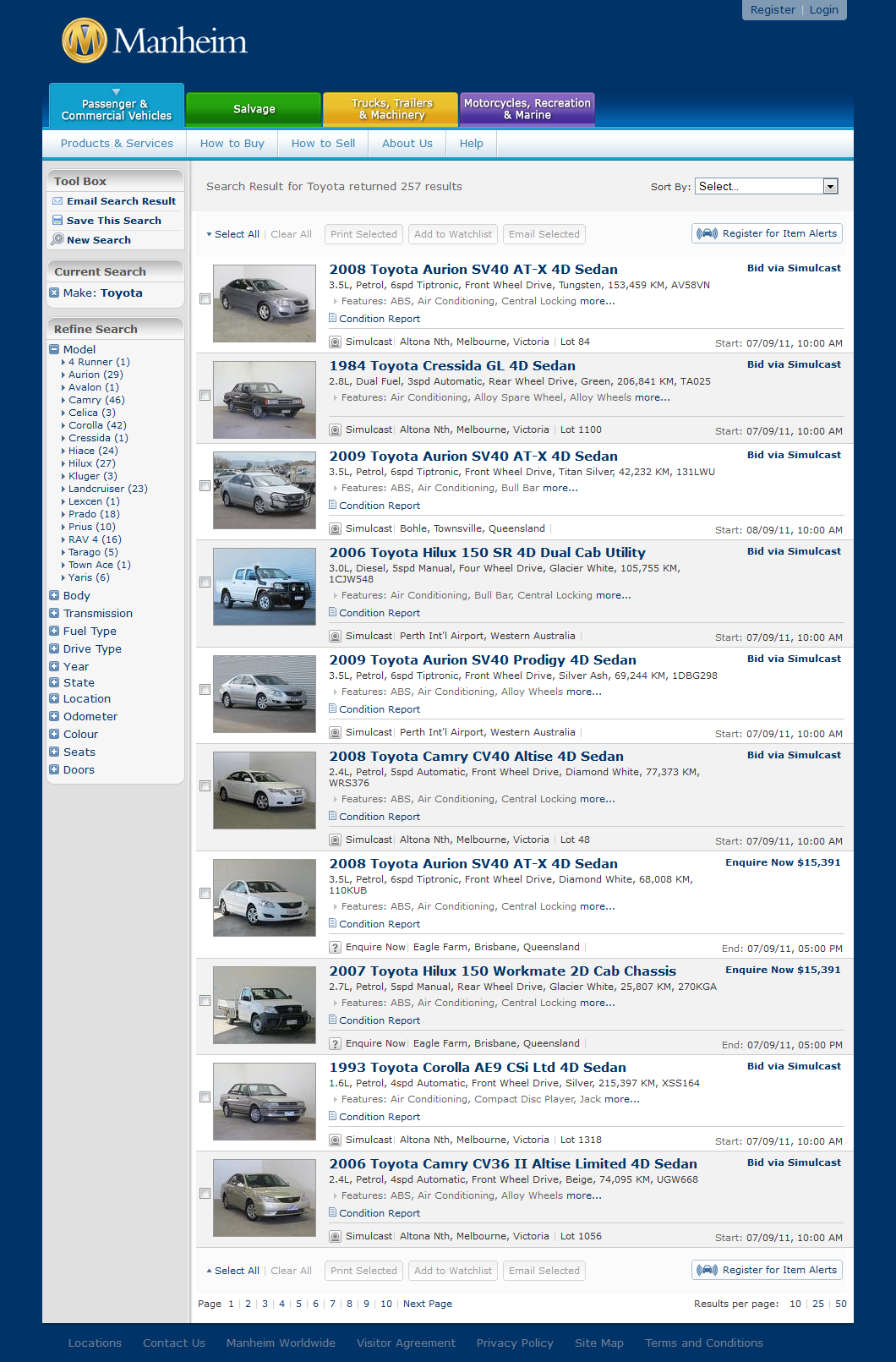
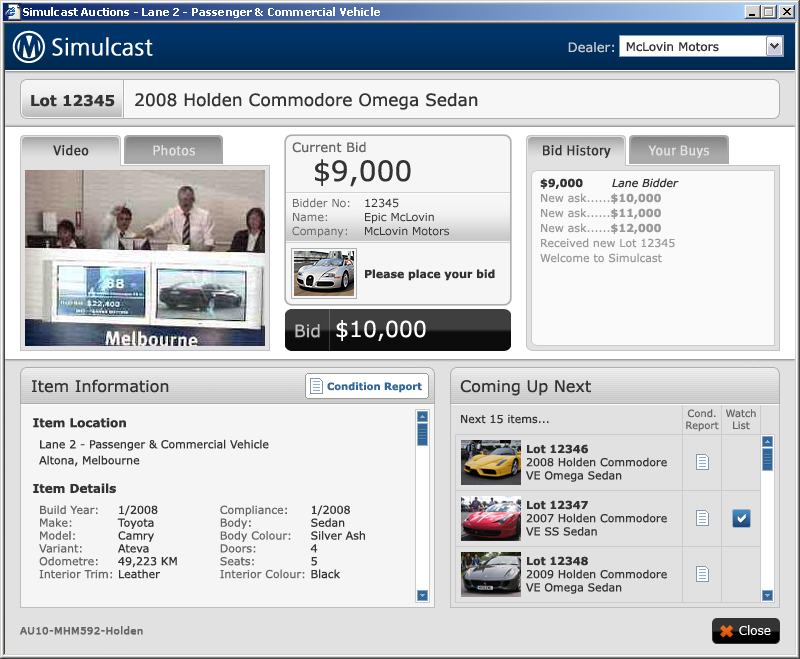
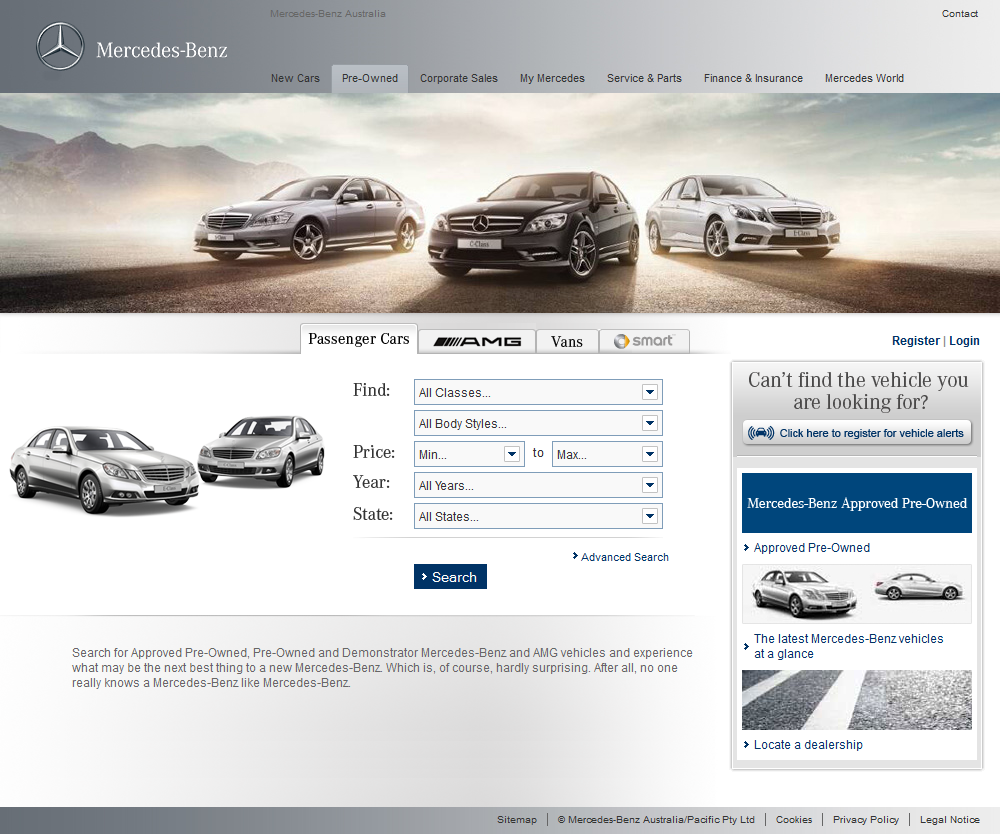
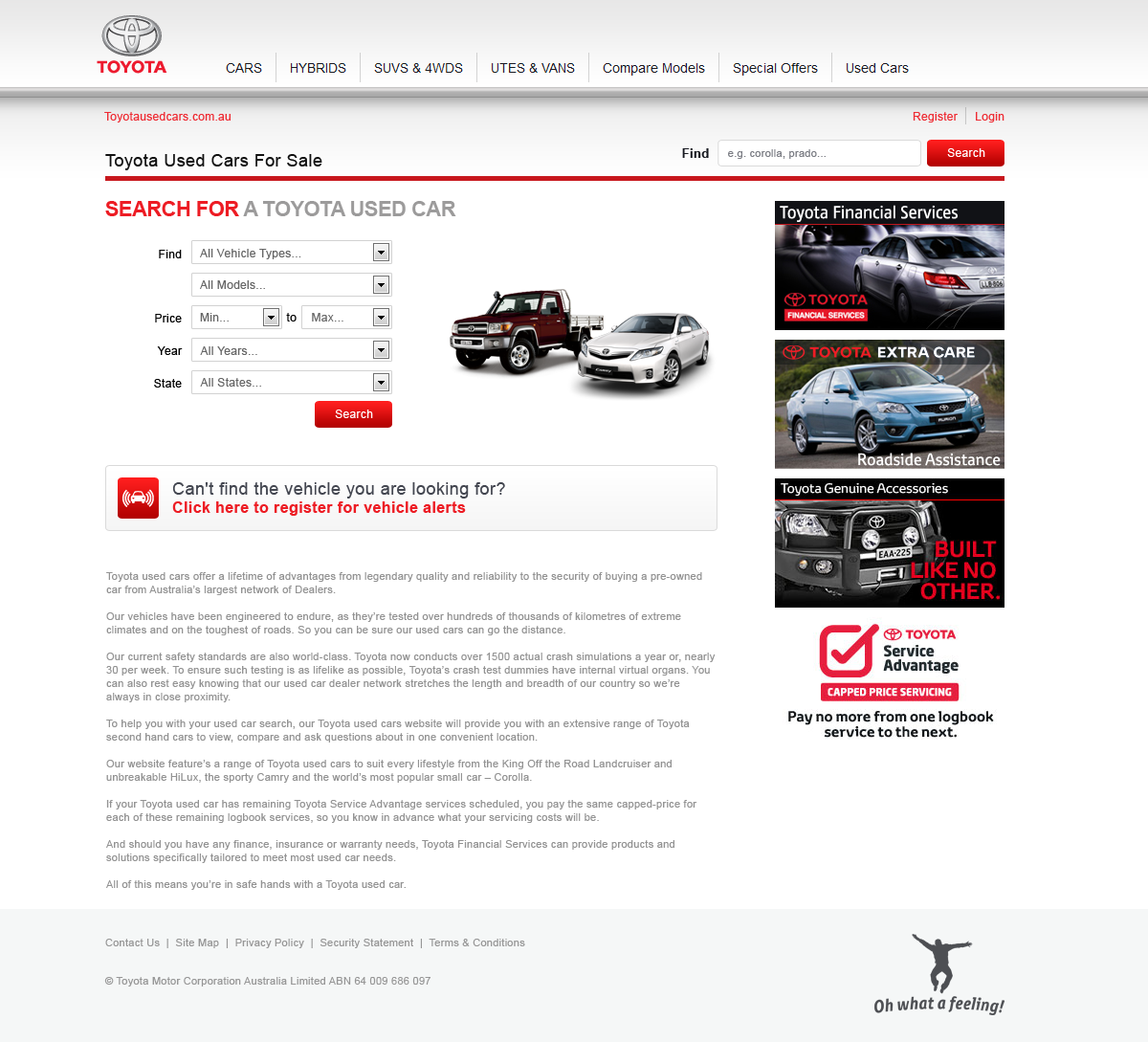
It also changed the texture of the work. Once the prototype could stand on its own, the pressure shifted toward making it look coherent early. The rough, half-formed ideas that used to live happily on a scrap of paper started to feel out of place inside a tool that expected you to connect things up. Some of the slower thinking still happened, but more of it happened while you were already assembling something that looked like a product.
Looking back, it was the start of a pattern that has only sped up. Paper forced you to decide what was worth drawing. Axure forced you to decide what was worth linking. The tools that came later force you to decide what is worth describing. Each step makes the next version appear faster. Each step also makes it a little easier to skip the part where you are not quite sure yet.